Understanding Balloon-Framed Homes in the Oshkosh Area
If you own a home built before the 1950s in or around Oshkosh, particularly near downtown or along the Fox River, there's a good chance you live in a balloon-framed structure. Balloon framing was the dominant construction method for residential homes in the early 20th century, and many charming historic properties throughout Wisconsin still use this design today. Unlike modern platform framing, which builds one story at a time, balloon framing runs continuous wooden studs from the foundation all the way to the roof line, creating a continuous cavity that extends through multiple floors.
This construction style presents both character and challenges for homeowners. The continuous cavities in balloon-framed homes create natural pathways for air to move freely throughout the structure, which means heat escapes in winter and cool air leaks out in summer. Additionally, these cavities can harbor moisture, pests, and fire hazards if not properly sealed. Many older homes in Oshkosh have experienced decades of settling and shifting, which can create gaps in traditional insulation materials. This is where modern spray foam solutions become particularly valuable for preserving these historic properties while improving their energy efficiency.
Why Spray Foam Insulation Works Best for Balloon-Framed Structures
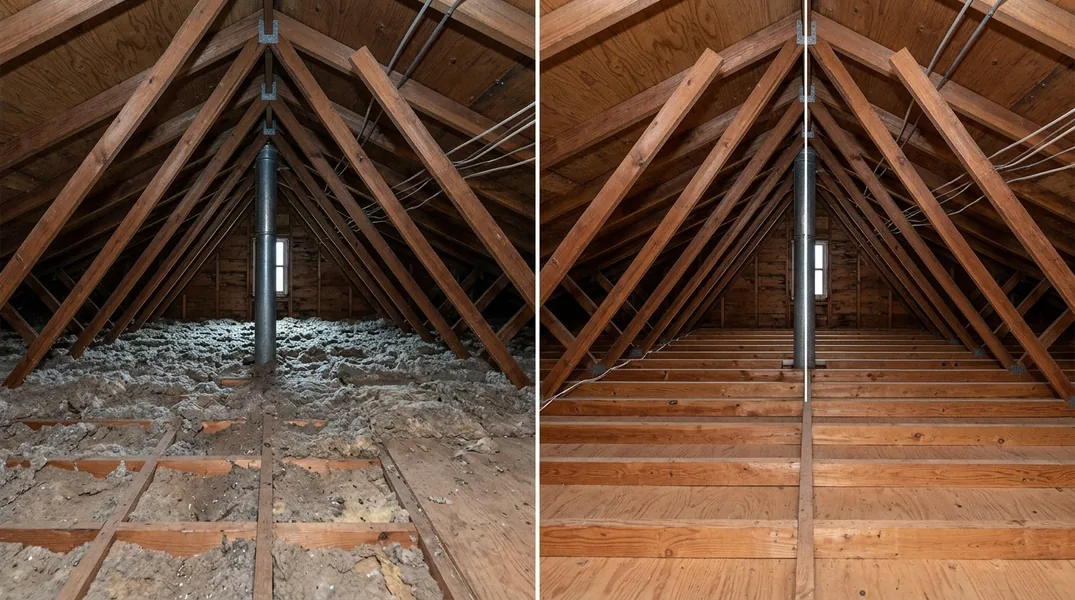
Attic Spray Foam Insulation has revolutionized how homeowners approach insulating older homes with complex framing. Unlike fiberglass batts or blown-in cellulose, spray foam expands to fill every cavity, crack, and gap in your walls and attic spaces. This expansion capability is crucial for balloon-framed homes because it creates a complete thermal envelope without leaving voids where air can infiltrate. When applied by trained professionals, spray foam adheres directly to studs, headers, and rim joists, sealing the entire structure as one cohesive unit.
The air sealing properties of spray foam address one of the biggest energy loss problems in older homes. Balloon-framed structures often have multiple pathways where conditioned air escapes, particularly at rim joists and where walls meet the attic. Closed Cell Spray Foam Insulation provides both insulation value and a vapor barrier in one application, which is especially important in Wisconsin's climate where temperature swings can cause significant moisture issues. For homeowners concerned about maintaining the historic character of their properties, spray foam works invisibly within wall cavities and attics, requiring no visible changes to the home's interior or exterior appearance.
Is Spray Foam Insulation Worth It for Your Oshkosh Home?
When evaluating whether spray foam insulation is worth the investment, homeowners should consider both immediate comfort improvements and long-term energy savings. For balloon-framed homes, the return on investment is typically compelling. A properly insulated attic and sealed rim joists can reduce heating and cooling costs by 15 to 30 percent, depending on your current insulation level and how well your home is sealed. In Wisconsin's cold winters, this translates to substantial savings on your heating bills over time. Additionally, improved insulation means more consistent temperatures throughout your home, eliminating cold spots and drafty rooms that are common in older structures.
Beyond energy savings, spray foam provides benefits that justify its higher upfront cost compared to traditional insulation. It improves indoor air quality by sealing gaps that allow dust, pollen, and outdoor pollutants to enter. It adds structural rigidity to walls and attics, which can be valuable in older homes that have experienced settling. It also provides superior moisture control, which protects your home's framing from rot and decay. For homeowners in Oshkosh planning to stay in their homes long-term, these combined benefits make spray foam a worthwhile investment. To understand the specific value for your property, reach out to Oshkosh Spray Foam Insulation at (920) 744-3095 for a free estimate.
Addressing Safety Concerns: Is Spray Foam Insulation Safe?
Safety is a legitimate concern when considering any building material, and homeowners often ask whether spray foam insulation is safe for their families. The answer depends largely on proper installation and material selection. Professional-grade spray foam products used by certified contractors meet strict safety standards and have been tested for off-gassing and emissions. When applied correctly by trained technicians, spray foam cures fully within 24 hours and poses no ongoing health risks to occupants. The key is ensuring that your contractor uses quality materials and follows manufacturer guidelines precisely.
One common concern is spray foam off-gassing, which refers to volatile organic compounds (VOCs) released during and shortly after application. Quality closed-cell and open-cell products have minimal off-gassing profiles, and any odor typically dissipates within a few days to a week. Reputable contractors will recommend adequate ventilation during and immediately after application. For homeowners with chemical sensitivities or respiratory concerns, Open Cell Spray Foam Insulation is often a safer choice than closed-cell, as it has lower VOC emissions and allows your home to breathe naturally. When you work with established local professionals like Oshkosh Spray Foam Insulation, you can trust that safety protocols are being followed and that your family's wellbeing is prioritized throughout the installation process.
Common Spray Foam Insulation Problems and How to Avoid Them
While spray foam insulation offers tremendous benefits, understanding potential problems helps you make an informed decision and avoid costly mistakes. One significant issue occurs when spray foam is applied by inexperienced installers who don't account for expansion properly. Overapplication can create excessive pressure on walls and attics, potentially damaging framing or creating bulging walls. Another common problem involves improper moisture management in homes where spray foam is applied without adequate ventilation or in areas prone to condensation. In Wisconsin's humid summers and cold winters, moisture control is critical for preventing mold growth within wall cavities.
Improper sealing around electrical boxes and penetrations can also create fire safety issues, as spray foam is combustible and requires proper clearance from electrical components. Additionally, some homeowners experience problems when contractors don't address underlying moisture sources before insulation, leading to trapped moisture and potential structural damage. These problems are entirely preventable when you hire qualified professionals who understand balloon-framed construction and Wisconsin's specific climate challenges. Before committing to any spray foam project, verify that your contractor is insured, and experienced with older homes. Ask for references from previous clients in your area and inquire about their approach to moisture management and fire safety.
Spray Foam Insulation Pros and Cons: The Complete Picture
Understanding the full spectrum of advantages and disadvantages helps you determine if spray foam is the right choice for your balloon-framed home. The primary advantages include superior air sealing, high R-value per inch of thickness, long-term durability, and the ability to seal complex cavities that traditional insulation cannot reach. Spray foam also provides excellent moisture resistance, reduces noise transmission, and can improve structural integrity. For older homes, these benefits translate to dramatically improved comfort and energy efficiency without major renovations.
The disadvantages primarily relate to cost and installation complexity. Spray foam typically costs more upfront than fiberglass or cellulose insulation, though the long-term savings often justify this expense. Installation requires specialized equipment and trained technicians, meaning you cannot DIY this project. There's also a learning curve for contractors unfamiliar with balloon-framed construction, which is why choosing a local expert matters. Wall & Injection Foam Insulation can sometimes be more challenging to apply in existing walls without opening them up, requiring careful planning. Additionally, if you ever need to access cavities for repairs or modifications, spray foam makes this more difficult than traditional insulation. Despite these drawbacks, for most homeowners with older homes in Oshkosh, the benefits significantly outweigh the limitations. Contact Oshkosh Spray Foam Insulation at (920) 744-3095 to discuss whether spray foam is appropriate for your specific situation and home configuration.
Looking for a professional spray foam insulation contractor in Oshkosh? Oshkosh Spray Foam Insulation responds fast for all your spray foam insulation needs.
Get a Free Quote