Understanding Oshkosh's Climate Challenges
Oshkosh homeowners know the struggle all too well. Summer humidity rolls in from Lake Michigan, making attics feel like saunas, while winter temperatures plummet well below freezing. This extreme seasonal swing creates a unique insulation challenge that many standard insulation materials simply cannot handle effectively. The moisture that builds up during humid months can compromise fiberglass batts and cellulose, leading to mold growth, rot, and diminished R-value performance. Meanwhile, the brutal cold of Wisconsin winters demands an insulation solution that maintains its thermal resistance year-round without settling or degrading.
The real problem is that your home's insulation system needs to work as a moisture barrier in summer and a thermal barrier in winter. Conventional insulation methods often fail at one or both of these tasks. This is where spray foam technology becomes a game-changer for Oshkosh residents. Unlike traditional materials, spray foam creates an air-tight seal that addresses both the humidity problem and the thermal gap, protecting your home's structure and keeping your family comfortable regardless of the season.
Why Spray Foam Outperforms Traditional Insulation in Extreme Climates
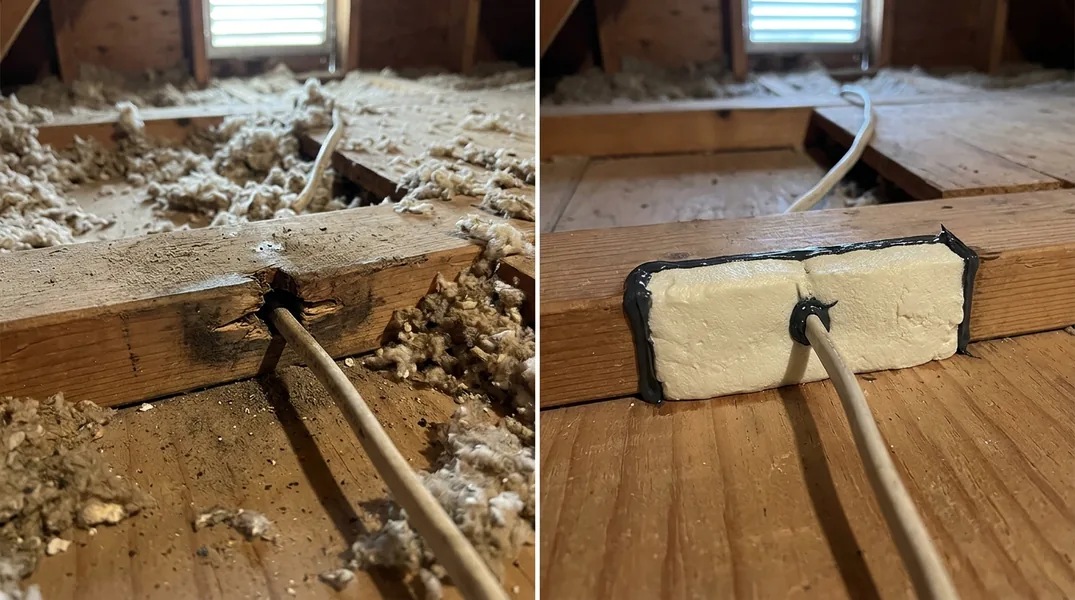
Attic Spray Foam Insulation works differently than fiberglass or blown cellulose because it expands and hardens into a solid barrier that seals every crack, crevice, and gap in your attic space. This comprehensive seal is the key difference. When spray foam is applied, it creates a continuous thermal envelope that prevents warm air from escaping in winter and stops hot, humid air from infiltrating in summer. The material itself resists moisture absorption, which means it won't degrade when exposed to the humidity that plagues Neenah, Menasha, and surrounding areas during warm months.
There are two main types of spray foam insulation to consider: Closed Cell Spray Foam Insulation and Open Cell Spray Foam Insulation. Closed cell foam is denser and offers superior moisture resistance, making it the ideal choice for regions with high humidity like Oshkosh. It provides an R-value of approximately 6 to 7 per inch and acts as both an insulator and a vapor barrier. Open cell foam is lighter and more flexible, offering about R-3.6 per inch, and allows some moisture vapor transmission. For homes facing both intense summer humidity and harsh winter cold, closed cell foam typically delivers better long-term performance and protection against moisture-related damage.
Metal Building Insulation and Pole Barn Solutions
If you own a metal building, barndominium, or pole barn in the Oshkosh area, you face a particularly tough insulation puzzle. Metal conducts temperature rapidly, which means your structure becomes extremely hot in summer and bitterly cold in winter. Standard fiberglass batts leave air gaps between the metal studs and the insulation, creating thermal bridges that waste energy and make climate control nearly impossible. This is why Closed Cell Spray Foam Insulation has become the best insulation for metal buildings across Wisconsin.
The best insulation for metal building applications adheres directly to the interior metal surfaces, eliminating air gaps and creating a seamless thermal barrier. Whether you are looking for steel building insulation or pole barn insulation, spray foam delivers superior performance compared to traditional methods. The foam's moisture resistance is especially valuable in metal structures, which are prone to condensation problems. When warm, humid air meets a cold metal surface, condensation forms rapidly. Spray foam's vapor barrier properties prevent this moisture from accumulating inside your walls and roof cavities, protecting both your insulation investment and the structural integrity of your building.
The Moisture Control Advantage During Humid Summers
Humidity is the silent enemy of home insulation. During Oshkosh's humid summer months, moisture-laden air naturally seeks cooler spaces, and your attic becomes a prime target. When this moist air encounters the cold surface of your roof deck, condensation occurs. Over time, this moisture encourages mold growth, wood rot, and attracts insects. Fiberglass insulation absorbs this moisture like a sponge, which reduces its R-value and creates an environment where mold thrives. The problem compounds because wet insulation loses its ability to resist heat transfer, forcing your air conditioning system to work harder and driving up energy bills.
Spray foam eliminates this problem by creating a vapor-impermeable barrier that prevents moisture from penetrating into your insulation system. The closed cell structure of quality spray foam is inherently hydrophobic, meaning water cannot easily penetrate it. This is especially important in humid climates where traditional insulation materials fail. By keeping moisture out of your attic space, spray foam also reduces the load on your HVAC system during summer months, leading to lower cooling costs and a more comfortable home. For homeowners in Fox Crossing and surrounding communities, this moisture protection translates directly into lower energy bills and a healthier indoor environment.
Winter Performance and Energy Savings
When winter arrives and temperatures plummet, your insulation's thermal resistance becomes critical. Standard fiberglass batts settle over time, especially in attics where there is no compression to hold them in place. This settling creates gaps that allow heat to escape, and your furnace must work overtime to maintain comfort. Spray foam, by contrast, maintains its full R-value year after year because it does not settle or compress. The material expands into every corner of your attic space, eliminating the thermal bridges that cause heat loss in homes insulated with traditional methods.
The air-sealing properties of spray foam are equally important during winter. A single small gap in your attic insulation can allow warm air to escape, and in Wisconsin's harsh winters, this heat loss translates into significant energy waste. Spray foam seals these gaps completely, creating a continuous thermal envelope that keeps your home warm without forcing your heating system into overdrive. Homeowners who switch to spray foam insulation typically see energy savings of 15 to 30 percent during winter months, depending on the extent of the upgrade and the age of the previous insulation. Over the life of your home, these savings add up to thousands of dollars while also reducing your carbon footprint.
Getting Started with Spray Foam Insulation in Oshkosh
If you are ready to protect your home or building from Oshkosh's extreme seasonal swings, the first step is to schedule a professional assessment. Every home and structure is different, and the best solution depends on your specific needs, budget, and building type. Whether you need Attic Spray Foam Insulation, Wall & Injection Foam Insulation, or metal building solutions, a qualified spray foam contractor can evaluate your current insulation, identify air leaks, and recommend the most cost-effective approach. Oshkosh Spray Foam Insulation specializes in helping homeowners and property owners navigate these decisions with expert guidance and professional installation.
Contact Oshkosh Spray Foam Insulation today at (920) 744-3095 to request a free estimate. Our team will assess your property, explain your options, and provide transparent pricing so you can make an informed decision. With spray foam insulation protecting your home, you will enjoy consistent comfort year-round, lower energy bills, and peace of mind knowing your property is protected against both humid summers and freezing winters. Do not let another season pass with inadequate insulation. Call today and take the first step toward a more efficient, comfortable home.
Looking for a professional spray foam insulation contractor in Oshkosh? Oshkosh Spray Foam Insulation responds fast for all your spray foam insulation needs.
Get a Free Quote